
Automated Nurse Call Cancellation
Automate Nurse Call Cancellation with RTLS
Challenges
When a patient triggers the nurse call system, the alert remains active until manually canceled at the bedside. This creates unnecessary noise, delays, and documentation burden for nurses who must physically clear calls—even after care has been delivered. These delays also distort data used to measure responsiveness and staffing efficiency.
Our Solution
By integrating RTLS with nurse call systems like Hillrom and Rauland, Kontakt.io’s Nurse Call Cancellation solution automatically clears calls when a nurse enters the room. This eliminates redundant tasks, reduces alarm fatigue, and ensures accurate responsiveness data—all without requiring nurses to physically turn off calls over patient beds.
See Impact Across Your Hospital
How This Will Change Nurse Call Cancellation in Your Hospital
RTLS Staff Entry Detection
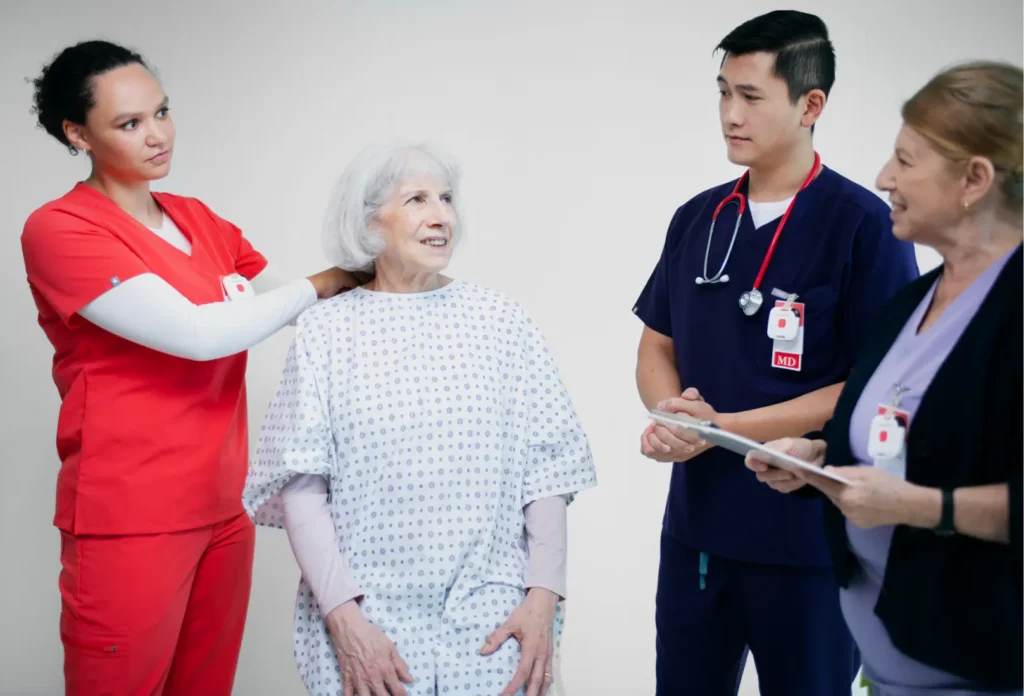
Detects when a nurse enters a room in response to a call.

Streamline care response workflows
Smart Badge 3
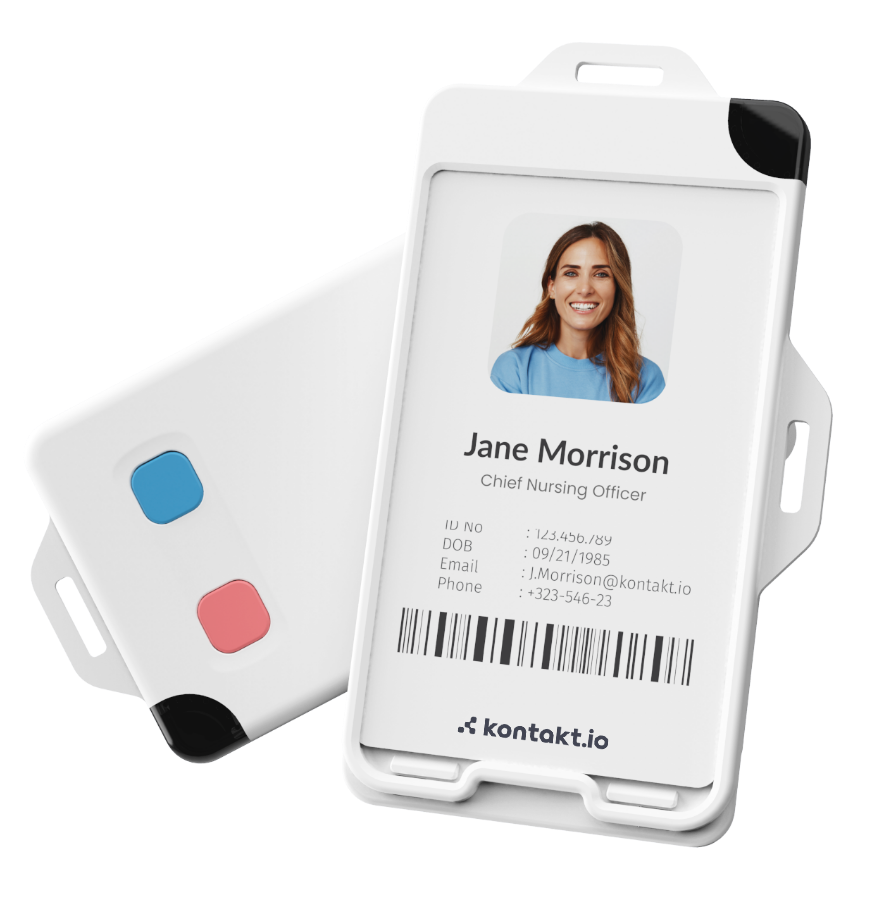
Wearable RTLS badge for nursing staff to track current location
Nurse Call Integration

Interfaces with Hillrom or Rauland to automatically cancel the call.

Improve data for staffing optimization
Portal Beam
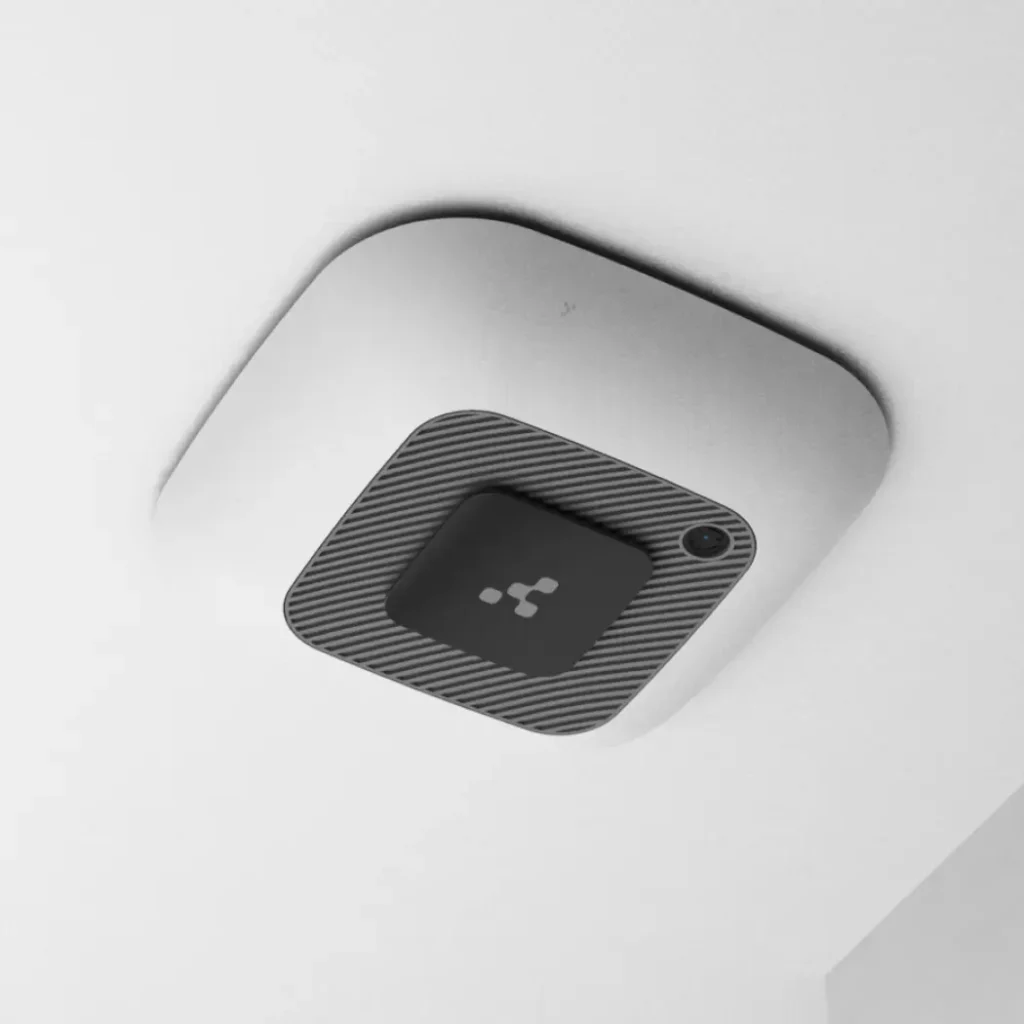
Portal Beam is a cloud-enabled sensor platform for quantifying rooms and delivering building insights in real-time
Workflow Automation Engine

Triggers follow-up actions or analytics, no manual input.

Reduce unnecessary documentation
Platform
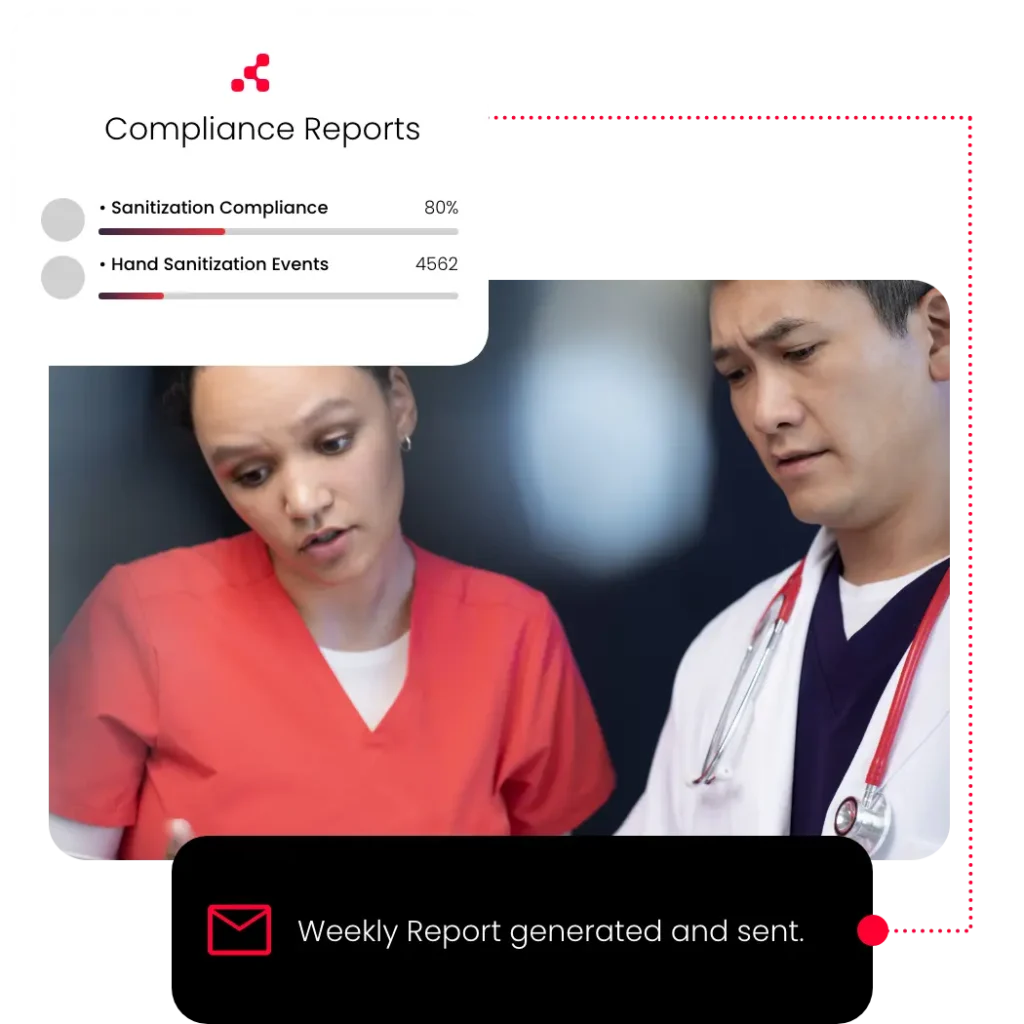
Data capture and analytic logs high-integrity timestamps for nurse responsiveness metrics.
Simple, Fast & Scalable
FAQ
Join over 200K caregivers utilizing our Intelligent Orchestration solutions in hundreds of hospitals – from the nation’s largest networks to regional leaders.
When a patient triggers a nurse call, the alert stays active until a nurse physically cancels it at the bedside. With RTLS-based nurse call cancellation, a staff badge or wearable is detected the moment a nurse crosses the room threshold and the system automatically sends a cancel signal to the nurse call platform. This eliminates the need for manual bedside dismissal entirely, freeing nurses to focus on care rather than system management.
Alarm fatigue occurs when nurses are overwhelmed by the volume of alerts, including calls that remain active even after care has been delivered. Automated nurse call cancellation eliminates this category of false or stale alerts entirely by clearing calls in real time as staff enter rooms. Kontakt.io’s solution has been shown to reduce false or outdated nurse call alerts by 40%, directly lowering the noise burden on clinical teams.
Yes. When nurse calls are manually cancelled, timestamps are often delayed or recorded inconsistently, distorting responsiveness metrics used for staffing, compliance, and quality reporting. With RTLS-based cancellation, the system automatically logs a high-integrity timestamp the moment a nurse enters the room, independent of any manual action. Kontakt.io reports 90% accuracy in nurse responsiveness reporting with this approach, compared to the unreliable data produced by manual workflows.
Automated nurse call cancellation requires two core components: a wearable RTLS badge or tag worn by nursing staff, and room-level detection infrastructure — typically Kontakt.io’s battery-powered Portal Beam sensors mounted on ceilings. The Beam uses a combination of BLE and infrared (IR) to confirm room-level presence with less than 5 seconds of latency, which is the accuracy threshold needed for reliable nurse call automation. No additional network cabling is required; the system runs over existing Wi-Fi and BLE infrastructure.
With manual cancellation, a nurse must physically walk to the bedside panel to dismiss an alert after delivering care, adding time, documentation burden, and producing response timestamps that reflect panel activity rather than actual care delivery. Automated nurse call cancellation uses RTLS to detect the moment a nurse enters the room and clears the call instantly, with no action required from the nurse. The result is a quieter unit, 15 seconds saved per event, and responsiveness data hospitals can actually rely on.