
Hospital Bed Management System for Rapid Room Turnover
What Change Bed Management System Can Make in a Hospital
Challenges
Room turnover inefficiencies contribute to wasted time and reduced hospital capacity. Because of the delay between when the patient leaves the hospital and when that is documented, hospitals currently lose an average of 2 hours per room turnover following a discharge. These 2 hours can be the difference between the ED becoming overwhelmed by boarders or a patient being assigned a bed on their optimal unit.
Our Solution
By leveraging RTLS (Real-Time Location Services) data, the Automated Room Turnover solution identifies when a patient has been discharged and left the building. This enables hospitals to trigger faster cleaning workflows, reducing turnover times and improving operational efficiency. Even halving the current wasted time can significantly increase hospital capacity and revenue.
See Impact Across Your Hospital
How Our Bed Management System Will Change Patient Flow in Your Hospital
Discharge Detection with RTLS Data

Identifies when a patient has departed from the hospital following a discharge prior to clinical staff documentation

Improve Operational Efficiency
Nano Tag
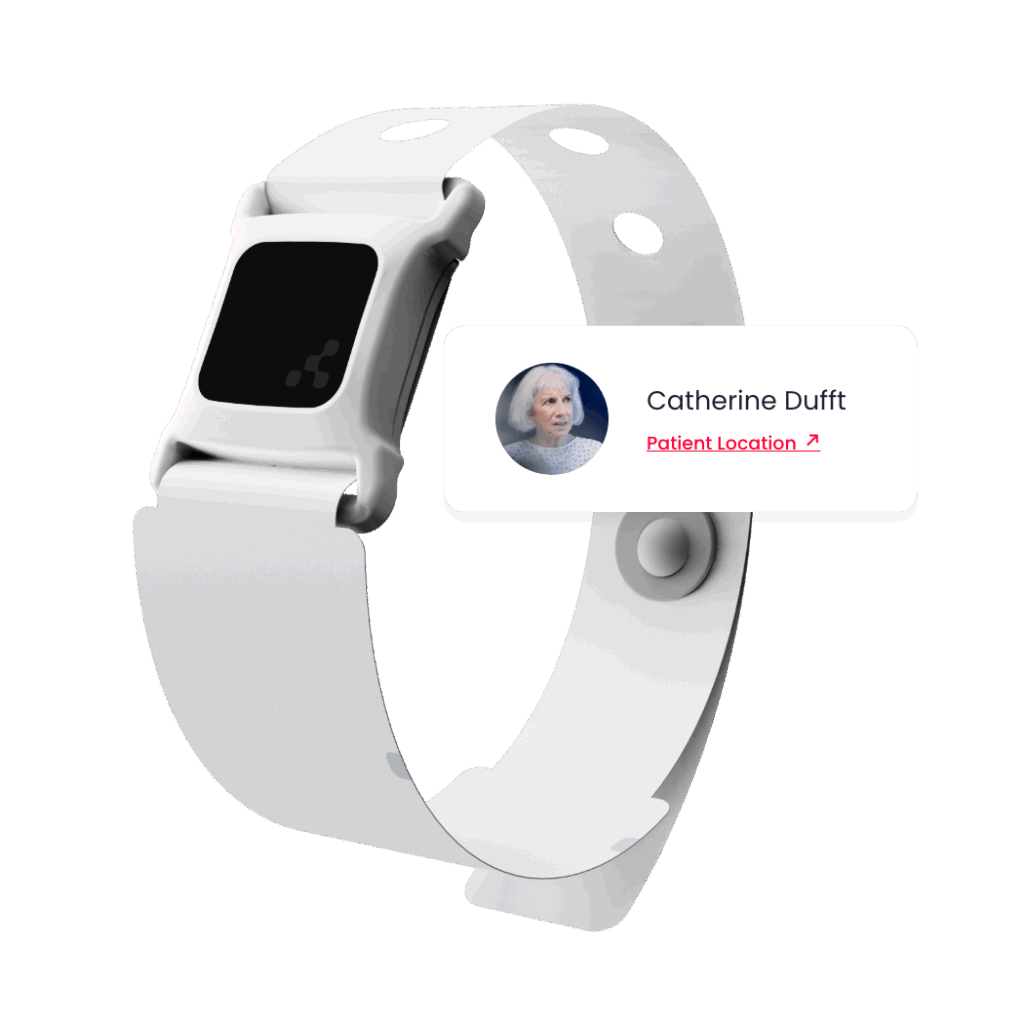
A small and ergonomic patient tag compatible with hospital bands for real-time location tracking.
Automated Workflow Triggers

Alerts Environmental Services (EVS) teams as soon as a room is ready for cleaning, eliminating manual handoffs and delays

Extend Hospital Capacity
Asset Tag
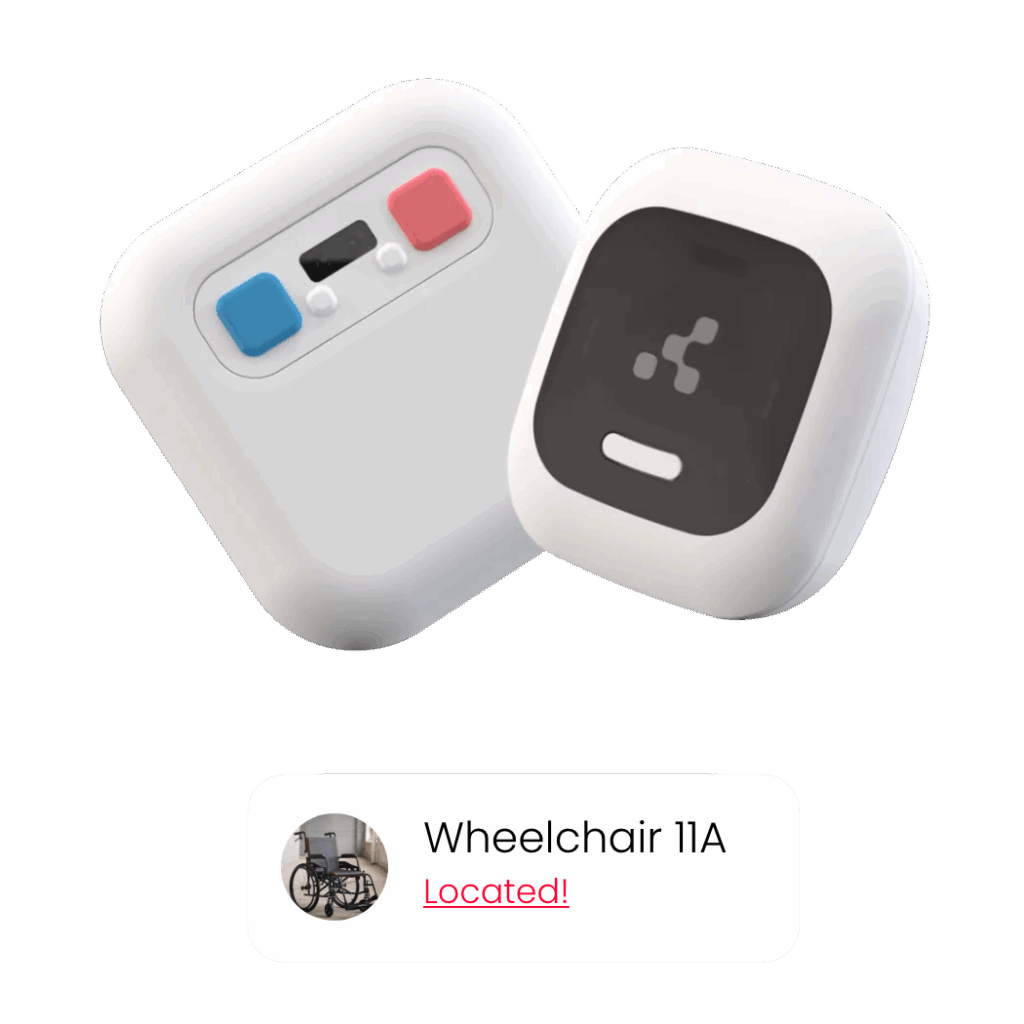
A lightweight BLE tag for asset tracking and performance management with room-level accuracy.
Streamlined Staff Workflows

Reduces administrative tasks so nurses can keep their focus on patient care and top-of-license work

Empower Nursing Staff
Platform
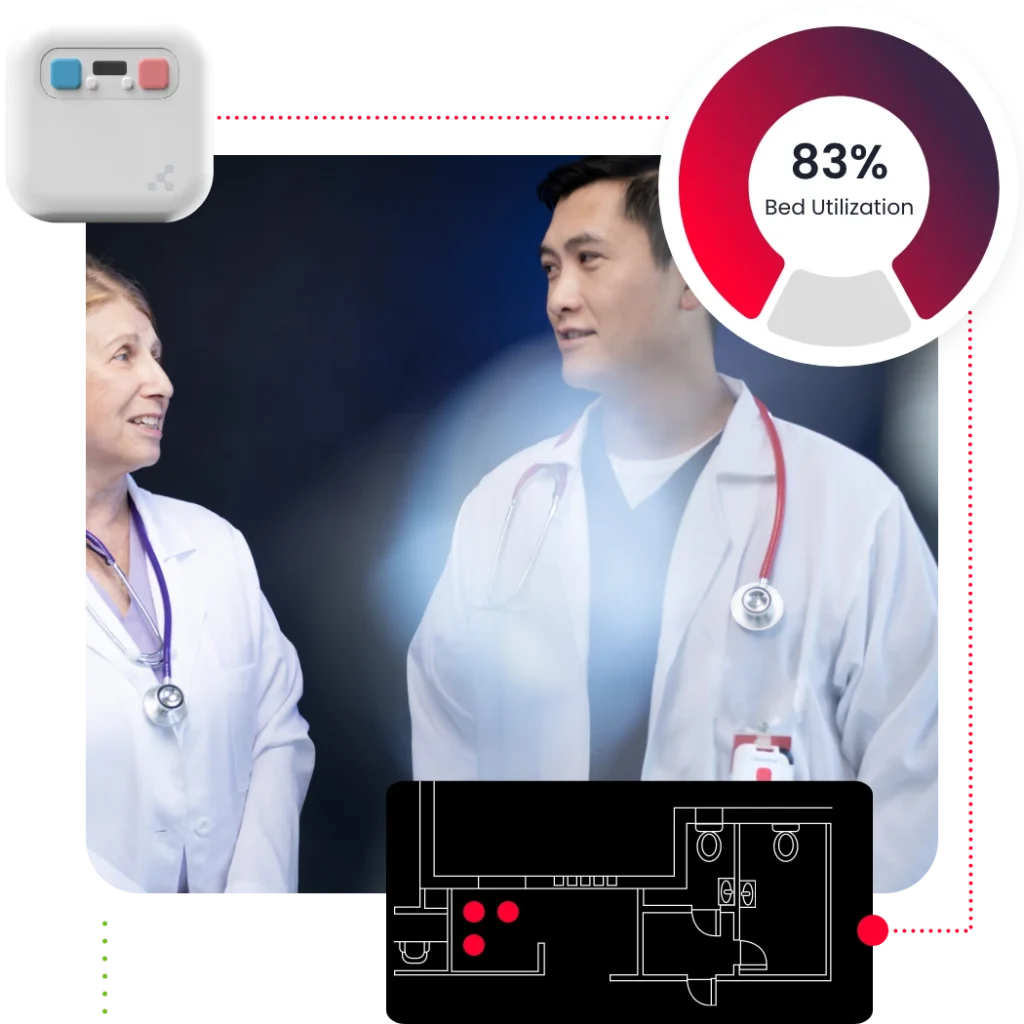
AI-Powered RTLS Platform for Care Operations
Simple, Fast & Scalable
FAQ
Join over 200K caregivers utilizing our Intelligent Orchestration solutions in hundreds of hospitals – from the nation’s largest networks to regional leaders.
A hospital bed management system provides real-time visibility into bed status, patient discharge, and room turnover. Using RTLS and AI-driven automation, it streamlines workflows, reduces delays, and helps hospitals increase capacity without adding staff or physical beds.
By detecting discharge events in real time and automatically triggering cleaning workflows, the system reduces room turnover delays. This allows patients—especially ED boarders—to be assigned to the right unit faster, improving throughput and care delivery.
RTLS (Real-Time Location Services) uses WiFi and BLE signals to identify when a patient has left a room or unit. This data triggers automated workflows, eliminating manual handoffs and reducing wasted bed time.
Manual bed management relies on phone calls, whiteboards, and delayed EHR documentation to update room status. This often creates communication gaps, discharge delays, and lost bed capacity. An automated bed management system uses real-time RTLS data to detect discharge events and trigger workflows instantly. It reduces turnover time, eliminates manual handoffs, and improves patient flow with accurate, real-time visibility.
No. The platform is designed for phased, low-impact deployment. It leverages existing WiFi and BLE infrastructure, integrates with systems like Epic and Cerner via FHIR and HL7 APIs, and requires no major cabling or network changes. Most workflows are automated in the background, minimizing clinical disruption and IT lift.