
Five Takeaways from HIMSS26
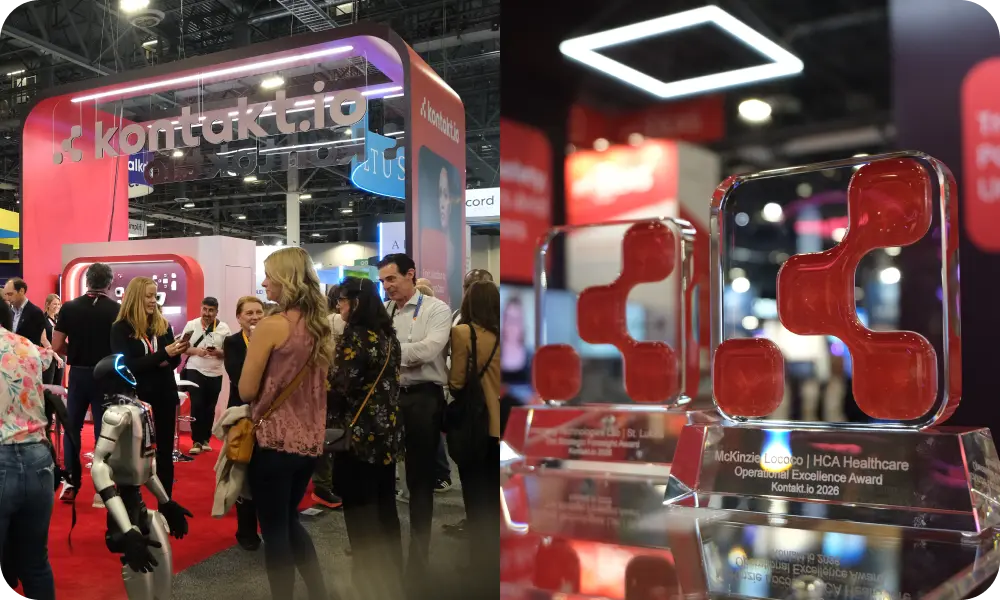
We just finished HIMSS 2026. It’s always wonderful to reconnect with familiar faces, forge new connections, and learn about what’s happening in the field. Here are some of my observations from this year’s event.
1. AI has crossed the line from innovation theater to operating mandate.
Last year the question was: “What’s your AI roadmap?”
This year it was: “Show me how AI works in my environment.”
The tone has shifted. Rather than AI that produces dashboards or yet another slide deck, health systems want AI that moves operational metrics, such as margin, throughput, and productivity. Bonus points if AI can automate away some of the already-heavy workloads that clinicians and ops teams face on a daily, or even hourly, basis.
In other words: AI is not a feature. Instead, it’s becoming part of the hospital’s operating layer, helping organizations anticipate bottlenecks, predict disruptions, and stay several steps ahead instead of reacting after the fact. Being five steps ahead operationally is quickly becoming the standard.
2. CIOs showed up differently this year.
CIO roles are changing, transitioning from the “keeper of systems” to the “builder of flow. In fact, the most memorable CIO conversations centered not around tech stacks, but around orchestration.

They asked:
- •
How do we reduce fragmentation?
- •
How do we standardize operations?
- •
How do we scale what actually works across the system?
CIOs are increasingly consolidating around platforms that create operational intelligence across the enterprise, rather than adding another isolated tool.
3. Scale is now the defining requirement.
Hospitals are done with one-off point solutions, as everyone has scars from running 10–15 pilots that never made it past a single department.
What buyers are prioritizing now is a foundation that can scale across the system:
-
- •
One infrastructure layer
- •
Multiple use cases
- •
A consistent data model
- •
Repeatable deployment across the enterprise
- •
The market is clearly shifting from buying isolated solutions to building an operational foundation that can support many workflows over time.
4. From “Where is it?” to “Why is care delayed?
Mature buyers don’t care that you can locate an IV pump; instead, they care about preventing the operational conditions that create delays, including:
- Late OR starts
- Missing trays
- PACU backups
- Bed gridlock
When you connect location data with clinical context, you begin to automate flow, which is what actually drives throughput and capacity.
5. Access to care is expanding beyond the hospital walls.
One of the emerging themes is that operational flow cannot stop at the hospital door.
Health systems are under pressure to deliver consistent care experiences across outpatient clinics, ambulatory centers, and hospital campuses. That means applying the same operational intelligence (for visibility, orchestration, and prediction) across the entire care network.
When flow is optimized across settings, systems can reduce delays, improve access, and ensure that care delivery is consistent wherever the patient enters the system.
Bonus takeaway: in-person meetings are still king
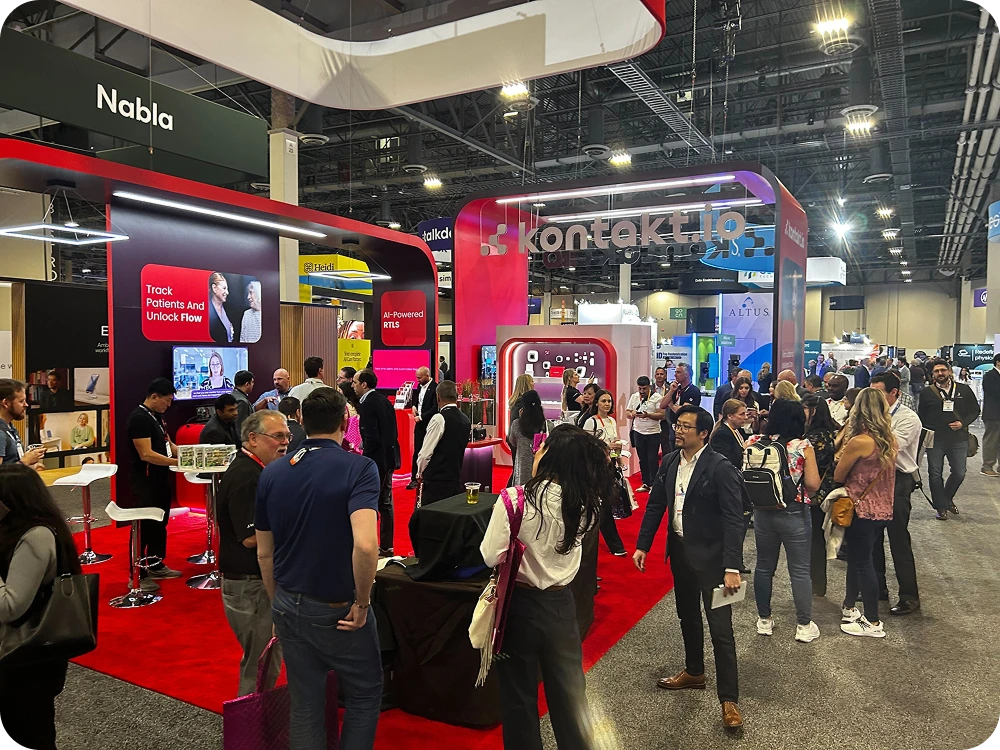
One more observation, and a personal one at that: nothing replaces being face-to-face with the people carrying the weight of healthcare.
The most meaningful conversations weren’t about “digital transformation.” They were about care operations: where hospitals are bleeding time, where staff are burning out, and what it would take to make care feel smooth again.
When the conversation shifts from technology to flow, the mission becomes clear:
help hospitals serve more patients with less friction, anywhere that care happens.


